Renewable Assets Demand Smarter Inspections

Renewable energy installations throughout the GCC are spread over wide geographic areas and high structures that defy traditional inspection techniques. Rope access, scaffolding and systems shutdowns present safety exposure, operational delays and lack of asset visibility.

access-safety-rsiks
Access & Safety Risks

Turbine ascents and rooftop inspections pose height exposure and access complexity.

hidden-performnace-loss
Hidden Performance Loss

Renewable energy equipment poses thermal anomalies and cell defects, which often remain invisible from ground level.

reneables-challenges
inspection-downtime
Inspection Downtime

Traditional methods frequently require partial shutdowns that reduce generation output during downtime.

scattered-inspection
Scattered Inspection Records

Manual inspections offer dispersed reports and imagery which limit centralized tracking and maintenance planning.

Our Drone Services for Renewables

We offer certified inspections which enhance uptime and support efficient solar and wind asset performance.

solar-pv-inspection

Solar PV Inspection

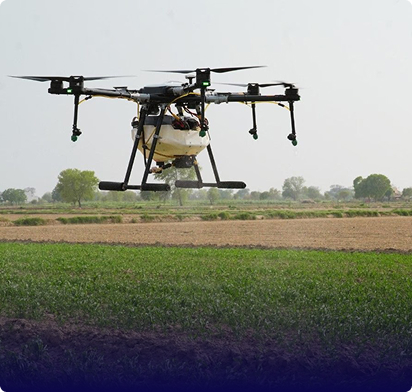
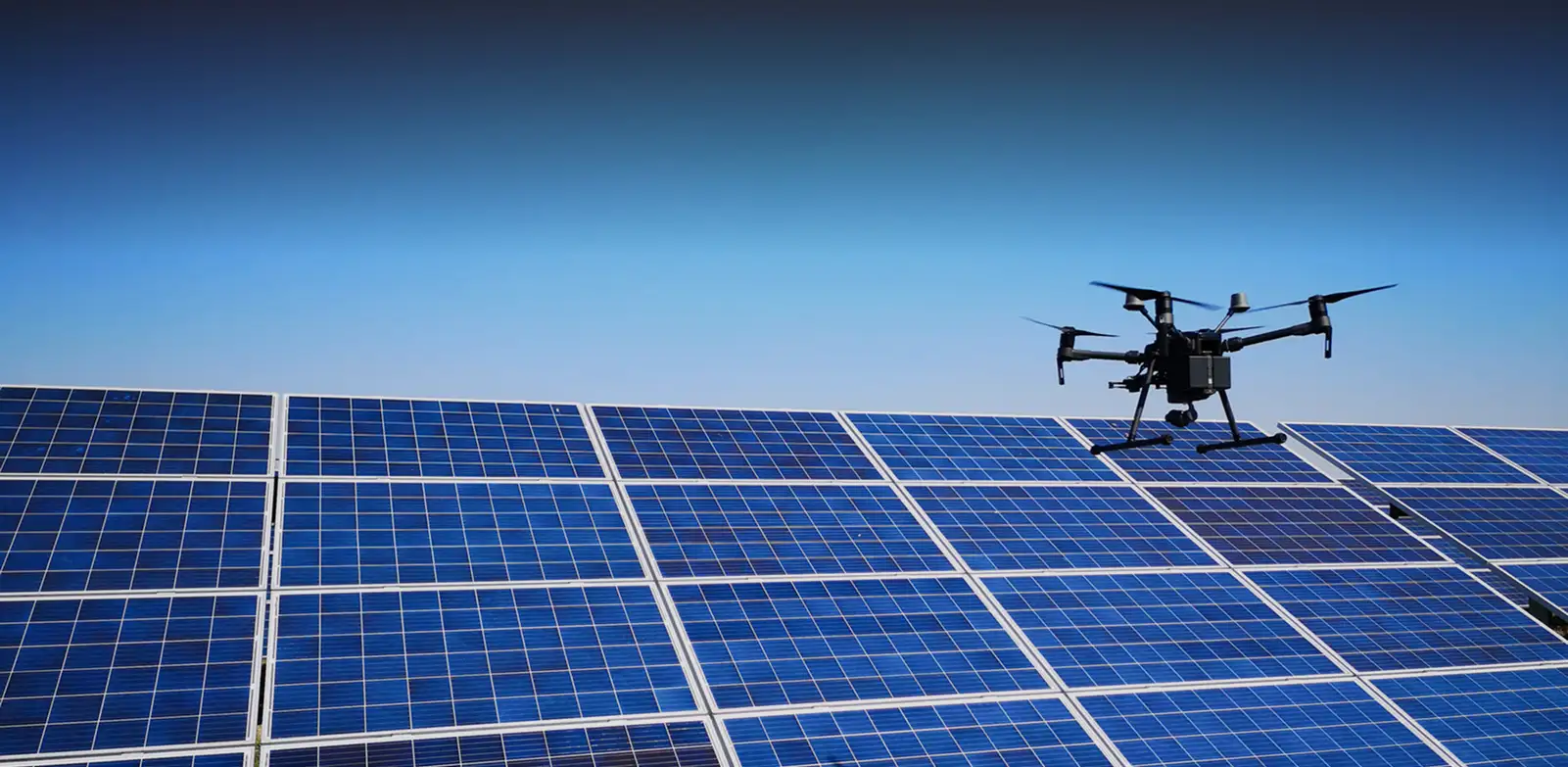
Our automated UAV flights over photovoltaic arrays capture module-level thermal and visual data to identify hotspots, string faults, and soiling effects. 

  • Thermal anomaly mapping at cell level 
  • Defective module location with GPS reference
  • Soiling and shading pattern documentation
  • Performance inputs for O&M planning
wind-turbine

Wind Turbine Inspection

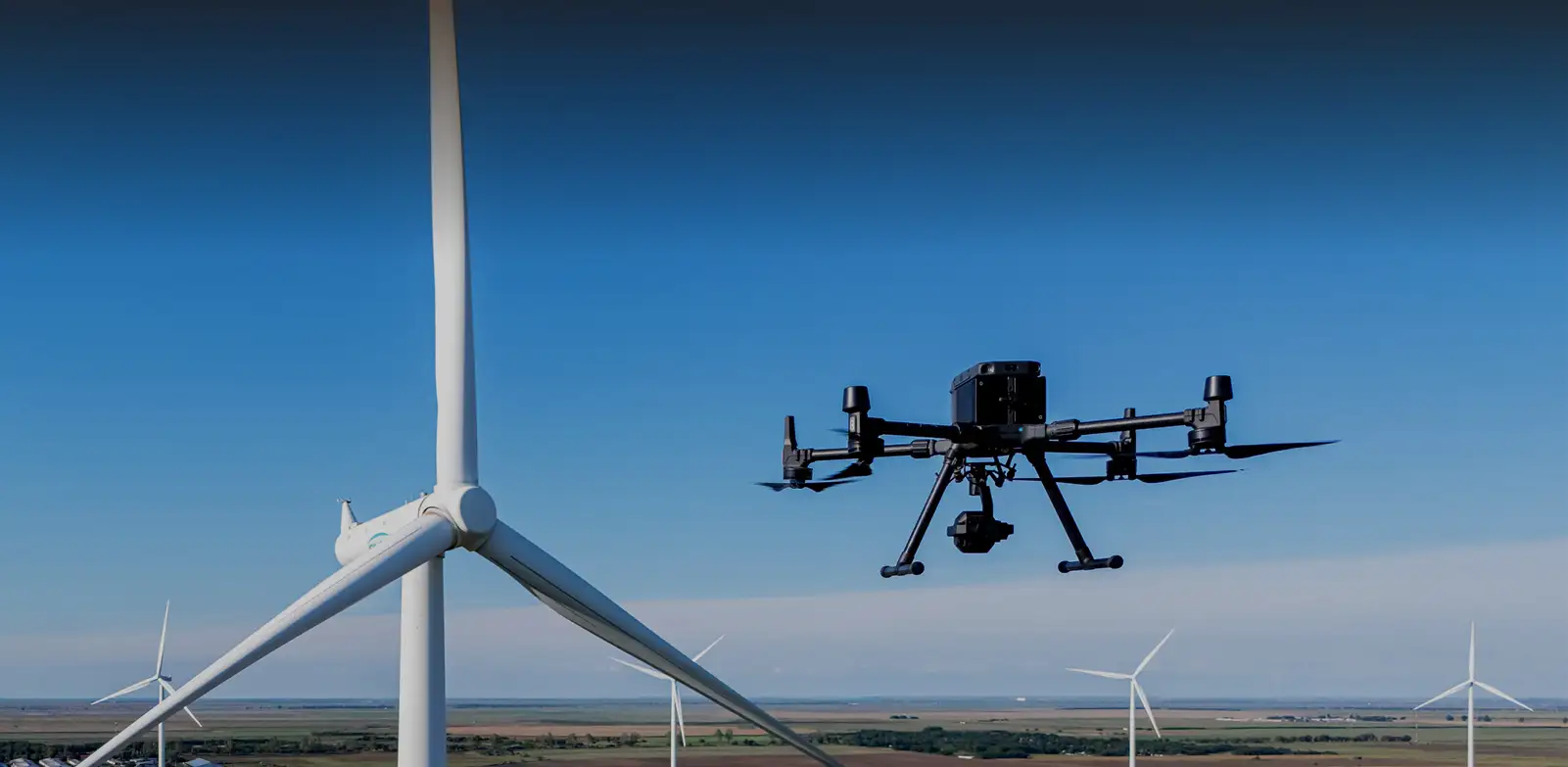
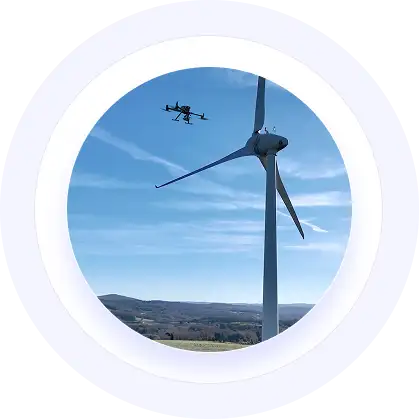
We offer close-range drone flights to inspect blade surfaces, nacelle components, and tower structures without rope access or extended turbine shutdown.

  • Surface erosion and crack documentation captured 
  • Lightning strike and coating damage recorded 
  • No scaffolding or climb teams required 
  • Time-stamped datasets support repair prioritization
solar-pv-cleaning

Solar PV Cleaning (UAV-Assisted)

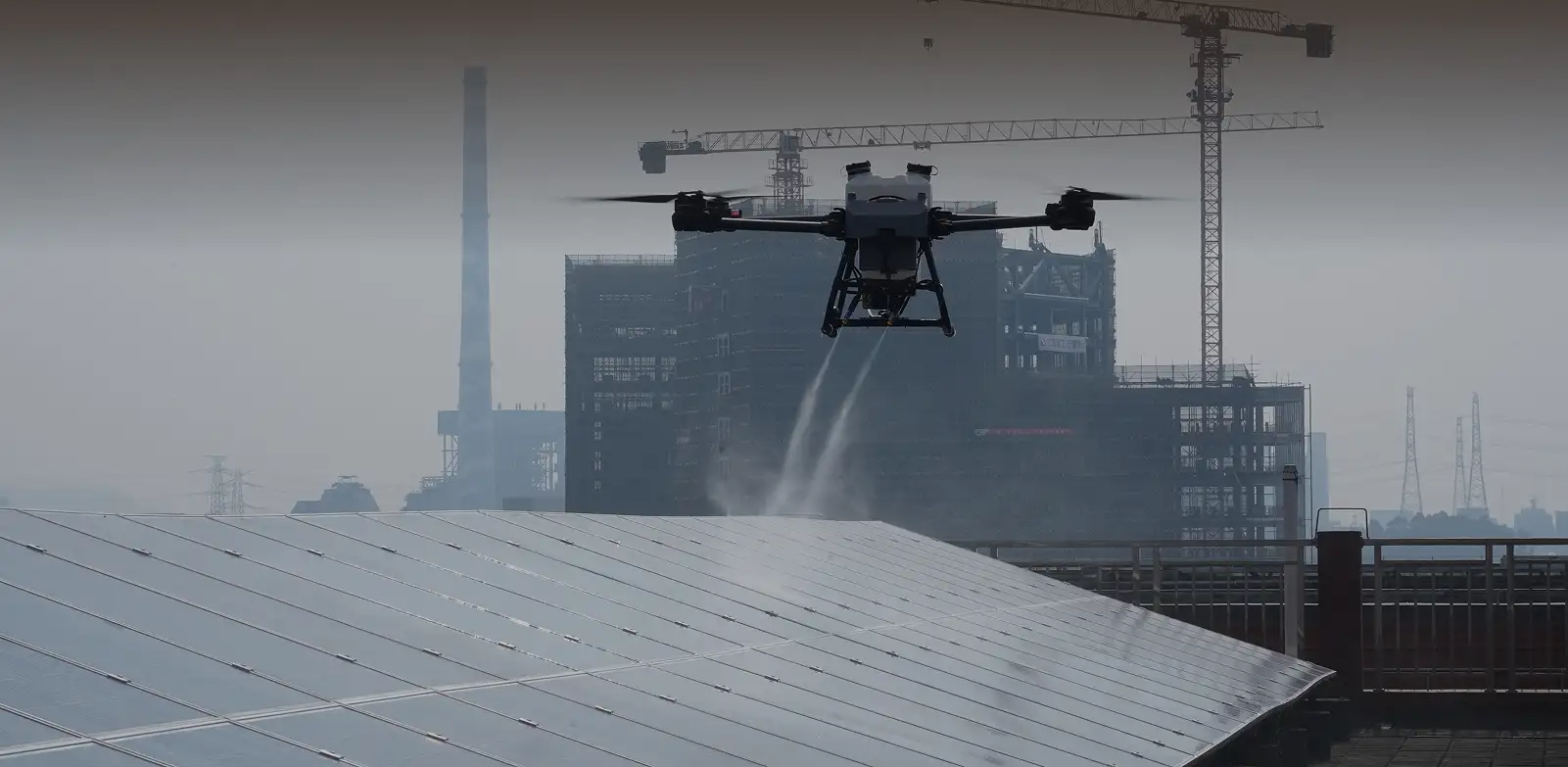
We use specialized drone-supported cleaning mechanisms to remove dust, sand, and environmental soiling from panel surfaces and to restore irradiance absorption and generation efficiency.

  • Controlled cleaning without panel dismantling
  • Reduced soiling-related performance losses
  • Pre- and post-cleaning visual documentation
  • Supports preventive maintenance scheduling
thermal-performance

Thermal Performance Assessment

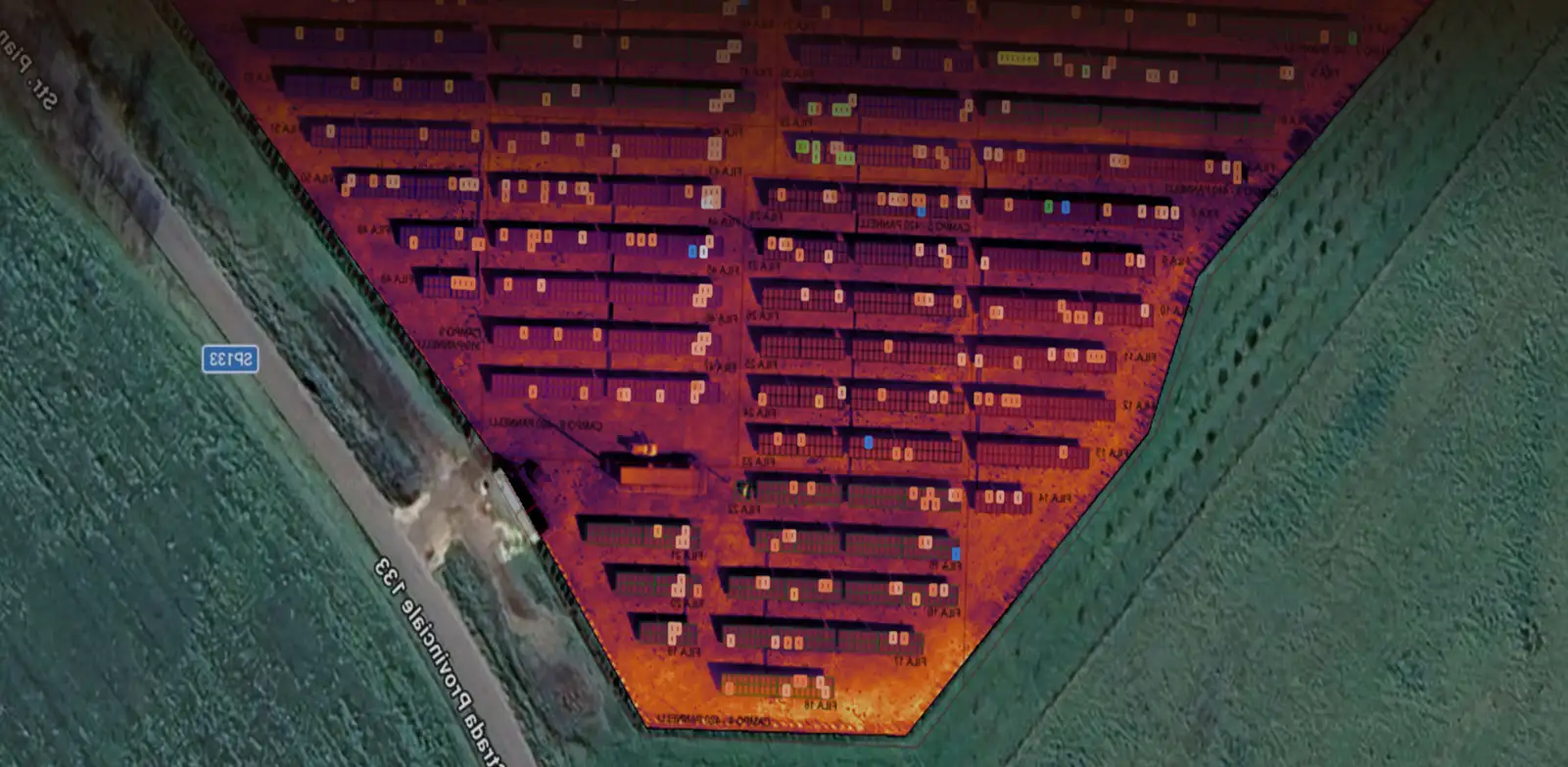
Through radiometric thermal capture we help you identify temperature anomalies across arrays, supporting defect classification and maintenance prioritization based on severity thresholds.

  • Hotspot severity grading against thresholds
  • String and bypass diode fault identification 
  • Anomaly datasets for warranty documentation
  • Historical comparison for trend monitoring

Gulfnet Insight® From Inspection Data to Action

Your centralized platform for reviewing thermal findings, tracking defect status, and planning maintenance activities.

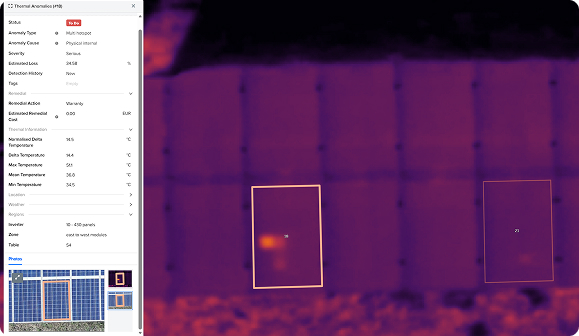
Anomalies get logged with location and severity.
Array

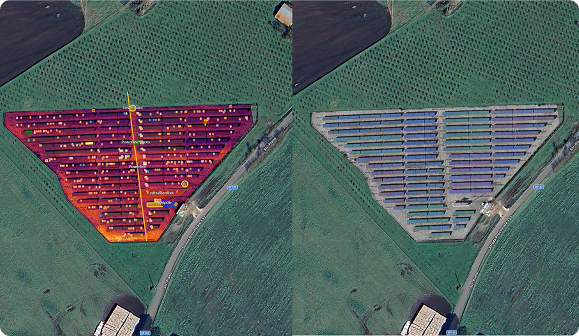
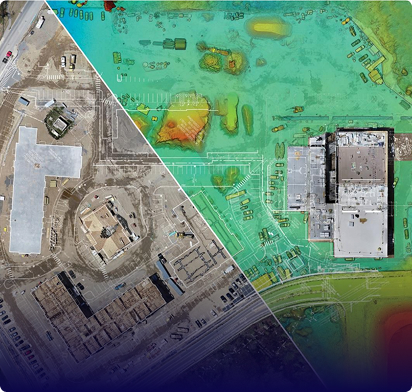
Visual and thermal imagery is available side-by-side.
Array

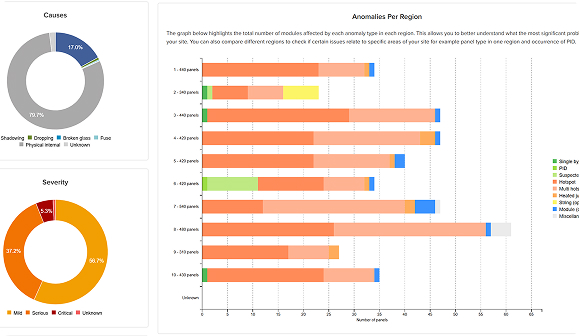
Historical data comparison across inspections.
Array

Efficient reports in formats that work for O&M workflows.
Array
defect-registry

Aging assets won't wait - schedule your renewable energy asset assessment now.

Other Industries

Frequently Asked Questions

Drone based fault detection for solar plants in UAE covers a wide range of issues that affect energy output and equipment life. Thermal cameras mounted on UAVs identify hotspots caused by damaged cells, faulty bypass diodes, and degraded string connections. Visual sensors capture cracked modules, delamination, and junction box failures. GPS tagging allows maintenance teams to locate each fault precisely within the array. This approach removes the need for manual row-by-row checks and gives operators a clear, prioritized list of corrective actions to protect generation performance.

Gulfnet Emirates is a trusted wind turbine drone inspection company in the Middle East, offering close range aerial assessments of blade surfaces, nacelle housings, and tower structures. Using high resolution zoom cameras and automated flight paths, the team documents surface erosion, lightning damage, leading edge cracks, and coating wear without requiring rope access or full turbine shutdowns. Each inspection delivers time stamped imagery and condition reports that help operators schedule repairs based on severity, reducing both safety exposure and unplanned maintenance costs across wind energy portfolios.

Gulfnet Emirates provides professional solar farm drone inspection services in the UAE for rooftop, ground mounted, and utility scale photovoltaic installations. Using automated UAV flight missions equipped with radiometric thermal and high resolution visual cameras, the team captures module level data across large arrays in a fraction of the time traditional methods require. Each inspection produces GPS referenced defect maps, thermal anomaly reports, and performance inputs that feed directly into operations and maintenance planning, helping asset owners protect energy yield and extend equipment life.

Renewable energy asset inspection with drones in the UAE involves deploying UAVs fitted with thermal and visual sensors to assess solar arrays, wind turbines, and supporting infrastructure. For solar assets, the process captures hotspot maps, string fault indicators, and soiling patterns at the module level. Wind inspections cover blade condition, tower integrity, and nacelle components through close range aerial photography. All findings are compiled into structured reports with severity classifications and GPS coordinates, giving operations teams a clear foundation for scheduling maintenance and protecting long term asset performance.

Gulfnet Emirates is recognized for delivering some of the best drone services for renewable energy projects in Dubai, combining certified pilots, advanced thermal sensors, and proven inspection workflows. Every mission follows established aviation regulations and industry accepted methodologies for radiometric data capture, ensuring results that stand up to warranty claims, insurance reviews, and regulatory audits. The team operates across solar and wind assets, delivering inspection outputs through Gulfnet Insight, a centralized platform where operators can review findings, track defect resolution, and align maintenance activities with generation targets.

A thermal imaging drone for solar panel hotspot detection in the UAE flies over photovoltaic arrays using radiometric cameras that measure surface temperature variations across each module. Cells with internal damage, poor solder joints, or bypass diode failures emit more heat than surrounding areas, making them clearly visible in thermal imagery. The drone captures this data with GPS coordinates so maintenance teams can locate and prioritize affected panels without walking every row. Regular thermal surveys also build historical datasets that support trend analysis and help operators catch degradation before it causes significant generation losses.

A solar panel cleaning drone assessment uses thermal and multispectral imaging to identify soiling distribution, dust accumulation patterns and biological growth across the array, enabling operators to prioritize cleaning schedules based on actual energy loss rather than fixed calendar intervals. This data-driven approach ensures cleaning resources are deployed where they deliver the highest performance recovery. Beyond soiling analysis, using a drone for solar panel inspection also detects mechanical damage, junction box failures and degradation that cleaning alone cannot resolve, giving O&M teams a complete picture of array health in a single flight. Gulfnet delivers soiling heat maps, module-level loss estimates and cleaning priority zones as part of its standard solar inspection deliverables, helping operators reduce cleaning costs while maximizing generation output.

Gulfnet Emirates inspects solar panels using thermal drones across the GCC, serving utility scale farms, commercial rooftop systems, and floating PV installations. The team deploys radiometric thermal cameras on automated UAV platforms to capture cell level temperature data, identifying defects such as bypass diode failures, string disconnections, and degradation patterns. All inspection data is processed and delivered through Gulfnet Insight, allowing asset managers to review anomaly maps, track defect history, and coordinate maintenance from a single platform. This structured workflow ensures consistent, repeatable results across portfolios of any size.

Drone inspection for large scale solar farms in the GCC follows a structured process that begins with pre mission planning to map array layouts and define flight parameters. Automated UAVs then fly predefined paths over the installation, capturing radiometric thermal and high resolution visual data at module level. The captured datasets are processed to generate defect heatmaps, anomaly classifications, and GPS tagged fault locations. This systematic approach allows operators to inspect multi megawatt installations within hours rather than days, delivering actionable insights that feed directly into preventive maintenance schedules and performance optimization plans.

Share your asset list and inspection priorities
to receive a tailored scope and plan.

Request our capabilities deck and platform walkthrough to see reporting and workflows.